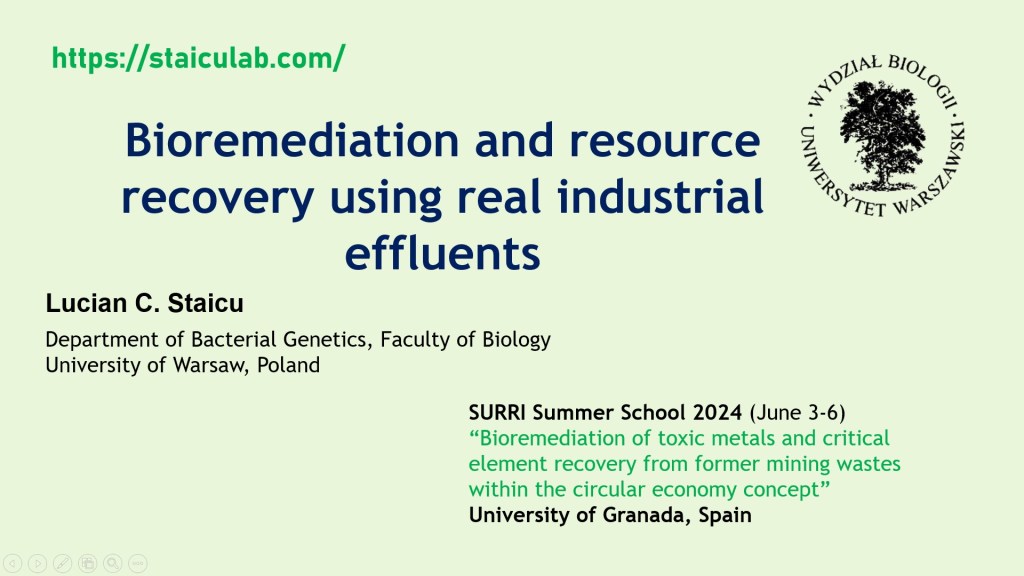
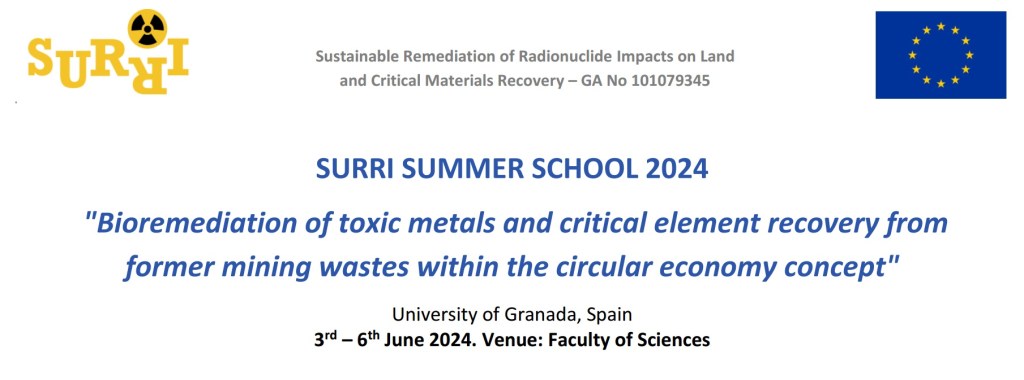
Dr Staicu will participate at SURRISummer School 2024 “Bioremediation of toxic metals and critical element recovery from former mining wastes within the circular economy concept” (June 3-6) held at University of Granada, Spain, by Prof. Mohamed Merroun and his collaborators. During his talk, “Bioremediation and resource recovery using real industrial effluents”, Dr Staicu will explore the treatment of industrial effluents using microbially-sourced inocula and the recovery of minerals from these matrices.
The detailed program of the SURRI summer school can be found below:
Dr Staicu will participate at the annual meeting of the COST Action CA21115 – Iron-sulphur (FeS) clusters: from chemistry to immunology (FeSImmChemNet) in Prague, Czech Republic (29-30 April). FeSImmChemNet is a research network dedicated to Iron-Sulfur (FeS) clusters, spanning the domains of Chemistry and Immunology (link).
Editors: Lucian C. Staicu (University of Warsaw, Poland) and Catarina M. Paquete (ITQB NOVA Lisbon, Portugal).
FEMS Microbiology Ecology invites submissions to an upcoming thematic issue on microbial electron transport. This thematic issue focuses on microbial electron transfer pathways, with an emphasis on the ecology of anaerobic respiration and electroactive microorganisms. Microbes utilize electrons to generate cellular energy in an electrochemical process analogous to the flow of electrical current in electrical networks. In this process, the electrons released from the oxidation of organic and inorganic compounds or chemical elements (electron donors) are conveyed via electron transfer pathways to organic and inorganic compounds or chemical elements, which become reduced (terminal electron acceptors). This flow of electrons is accompanied by the production of the precious and energy-dense ATP molecules. Different couples of electron donors and acceptors provide different amounts of cellular energy and microorganisms have specialized in exploiting them, thus filling ecological niches in nature and gaining competitive advantages over other microbial groups in different environments. These transformations play an essential role in the biogeochemical cycles of elements in nature and in driving numerous biotechnological processes. Our knowledge of extracellular electron transfer processes is still limited, requiring interdisciplinary expertise in microbiology, molecular biology, and biochemistry to broaden our understanding in this area.
Topics of interest for this thematic issue include bioelectrochemical systems, anaerobic bioreactors, biocorrosion, sediments/anoxic environments, biogeochemical cycling, and anaerobic respiration based on diverse electron acceptors/donors. FEMS Microbiology Ecology will consider full length Research Papers or Mini-reviews/Perspectives. There is no maximum length for papers, but the length should be justified by the content and authors are urged to be concise.
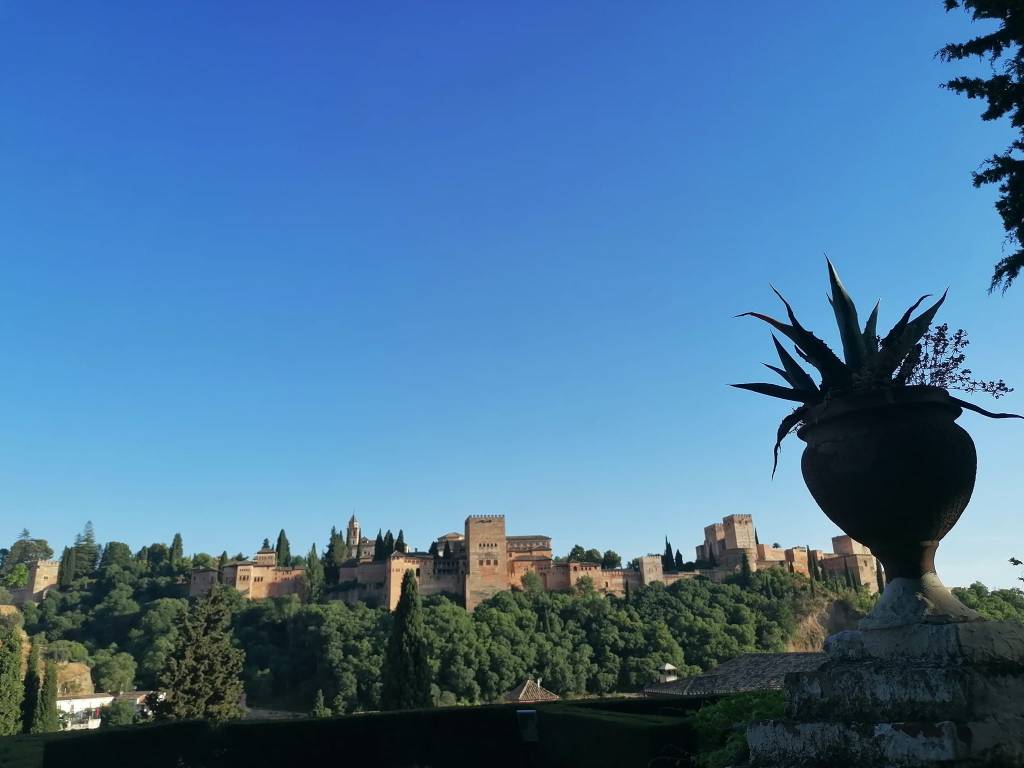
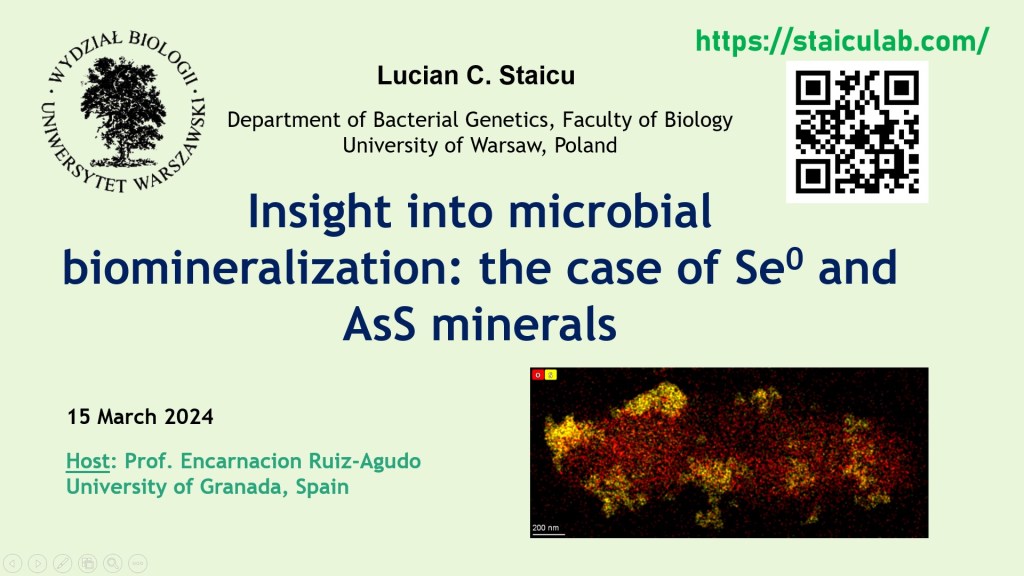
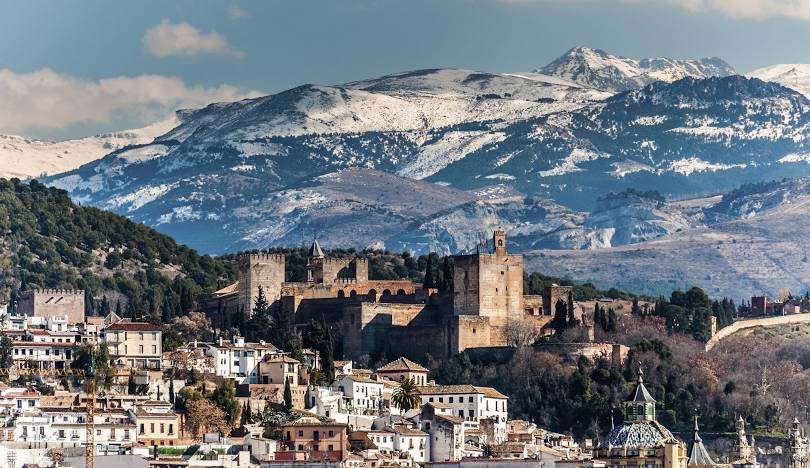
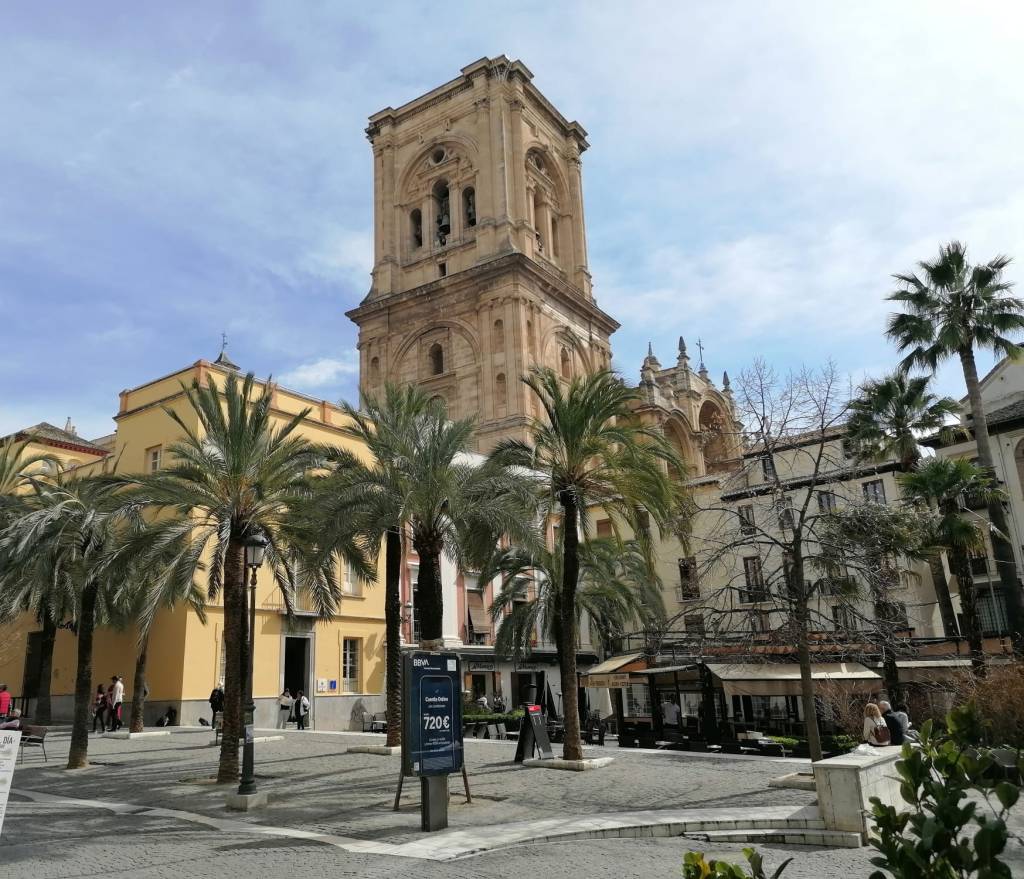
Dr Staicu spent one month at University of Granada, visiting Prof Mohamed Merroun (Microbiology Department) and Prof Encarnacion Ruiz-Agudo (Mineralogy Department). During this scientific mission, Dr Staicu was involved in teaching activities, presentations and experimental work (biomineralization of selenium in respiratory and non-respiratory bacteria). The mission was financially supported by EXCITE Network (https://excite-network.eu/) and by University of Granada.
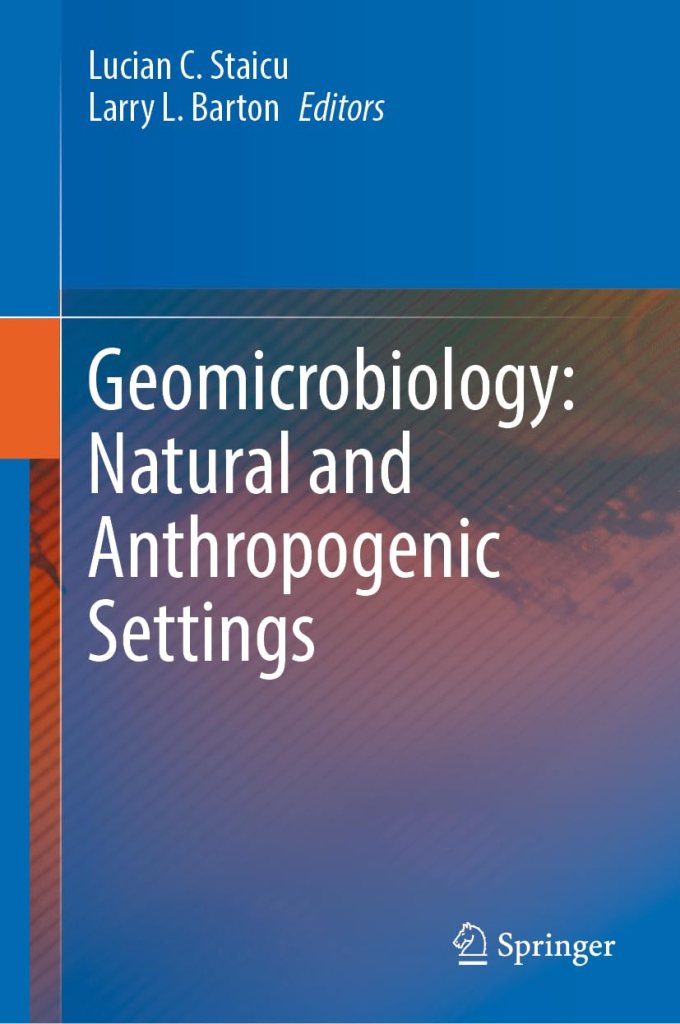
Chapter 1: Kurt Konhauser*, Daniel Alessi ~ “Geomicrobiology: present approaches and future directions”
Section 1: Microbes driving changes in the terrestrial and aquatic environments
Chapter 2: Caitlin M. Gionfriddo, Heyu Lin, John W. Moreau* ~ “Microbial interactions with the mercury cycle”
Chapter 3: Lucian C. Staicu*, Mikołaj Dziurzyński, Paulina J. Wójtowicz, Adrian Górecki ~ “The impact of selenium on an Archaea-dominated, methanogenic granular sludge consortium”
Chapter 4: Sander J. Noordam, Joana Madjarov, Ricardo O. Louro, Catarina M. Paquete* ~ “Electroactive (micro)organisms”
Chapter 5: Patrizia Onnis*, Daniela Medas, Elisabetta Dore, Dario Fancello, Francesca Podda, Chiara Alisi, Patrizia Paganin, Flavia Tasso, Giovanni De Giudici ~ “Biominerals and their role in the present and future of legacy mining”
Section 2: Microbes thriving in extreme environments
Chapter 6: Javier Sánchez España* ~ “Geomicrobiology of pit lakes”
Chapter 7: Ricardo Amils*, Cristina Escudero, Ting Huang, David Fernádez-Remolar ~ “Geomicrobiology of Río Tinto (Iberian Pyrite Belt) a geological and mineralogical Mars analogue”
Chapter 8: Marie Harpke, Erika Kothe* ~ “Microbes in high salt and metal contamination”
Section 3: Microbes in Biotechnology
Chapter 9: Eva Pakostova*, Carmen Falagan, Ruiyong Zhang ~ “The geomicrobiology of biomining”
Chapter 10: María Fernanda Pérez-Bernal, Jose Antonio Magdalena, Eric Trably, Nicolas Bernet* ~ “Microbial electrochemical technologies: Coupling wastewater treatment with resource recovery”
Chapter 11: Anna Potysz*, Jakub Kierczak, Eric D. van Hullebusch ~ “Metallurgical slags in the environment and treatment systems: insights regarding biotic interactions”
Section 4: Microbial community structure: A selection of geochemical environments
Chapter 12: Andreas P. Teske* ~ “Microbial community structure in hydrothermal sediments – the Guaymas Basin field site”
Chapter 13: Mihály Pósfai*, Zsombor Molnár, Ilona Nyirő-Kósa, Kornél Rácz, Péter Pekker, Vera Istvánovics ~ “Carbonate mineral formation in the vicinity of blooming algae in a shallow lake”
Chapter 14: Karsten Pedersen* ~ “Underground research laboratories – windows into the deep subterranean biosphere”
Chapter 15: Giulia D’Ermo, Marianne Guiral, Barbara Schoepp-Cothenet* ~ “The complex interplay of sulfur and arsenic bioenergetic metabolisms in the arsenic geochemical cycle”
In this spotlight Dr Staicu talks about microbial biomineralization, the editorial process and the themed collection organized by Geo-Bio Interfaces journal. The spotlight concludes with a short introduction on the use of the cinnabar/vermilion (HgS) minerals as a red pigment in the history of art. Beautiful cinnabar crystals are presented below (credit to François Farges).
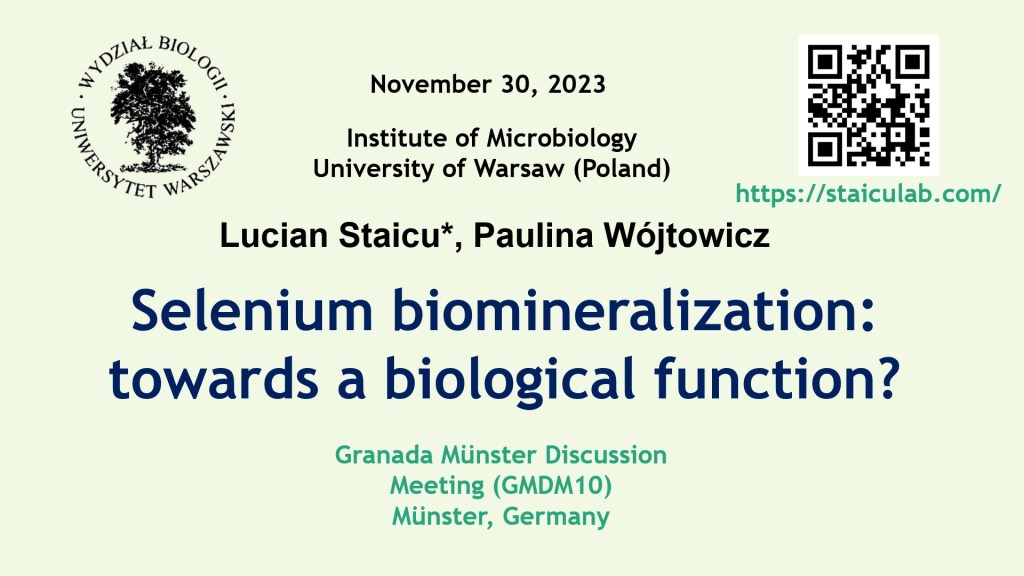
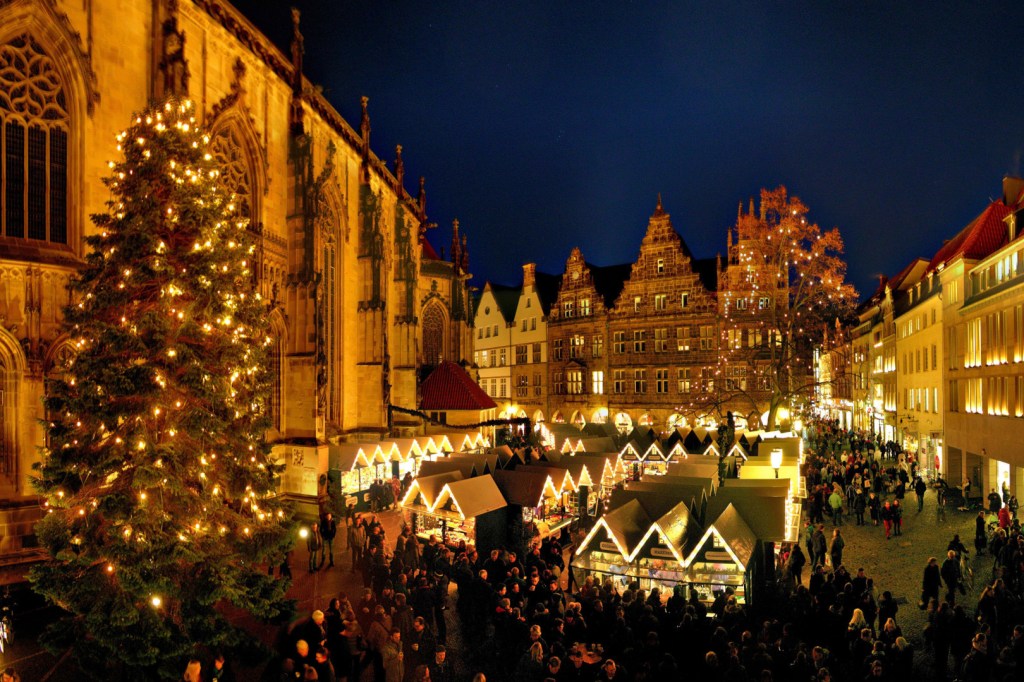
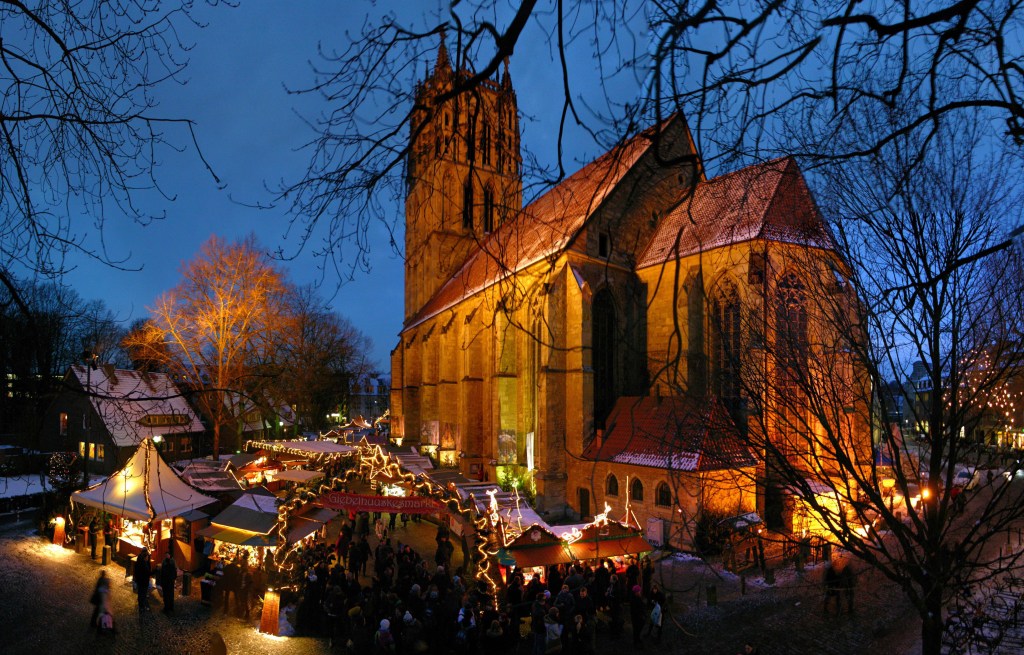
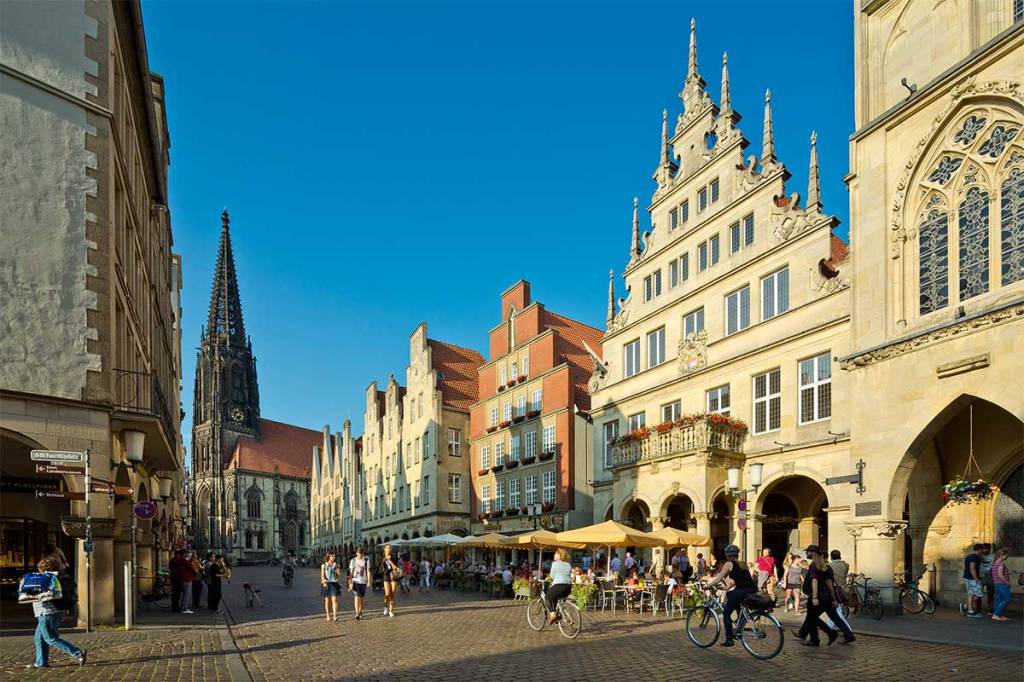
The 10th Granada-Münster Discussion Meeting (GMDM10) will be held in Münster (Germany), 29 November to 01 December 2023 (https://granadamunster.wordpress.com/10th-meeting/). A big thanks to the organizers of the event, especially to Prof. Christine V. Putnis and Maude Julia, for their warm invitation. Dr Staicu will give a talk exploring the possible biological function(s) of biogenic Se0 in the context of respiratory and non-respiratory microbial biomineralization.
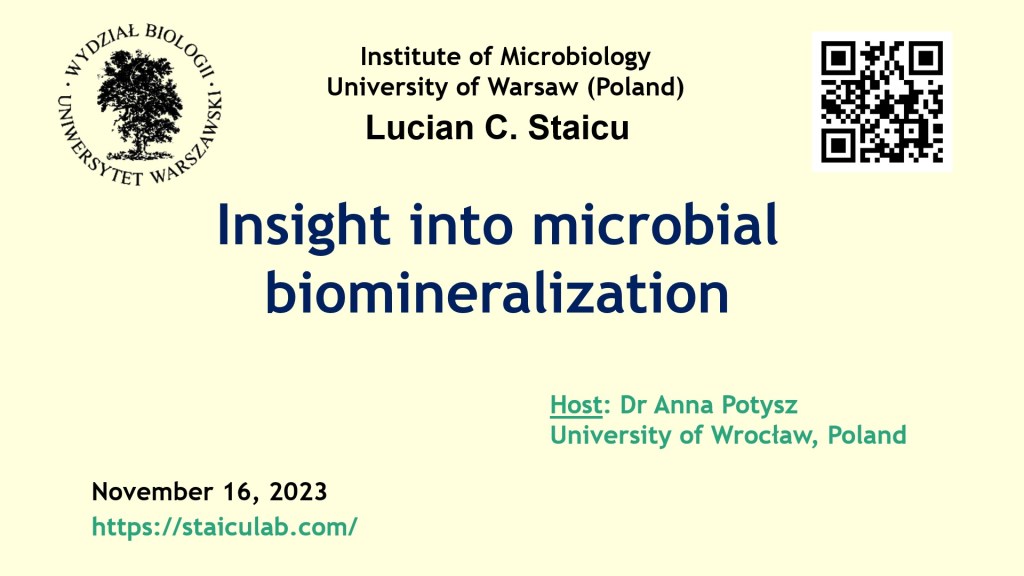
On November 16, 8:30 (GMT+1) Dr Staicu will give a lecture on microbial biomineralization for MSc students (“Applied Gesciences” MSc programme, University of Wrocław, Poland) (here). The host will be Dr Anna Potysz (here).
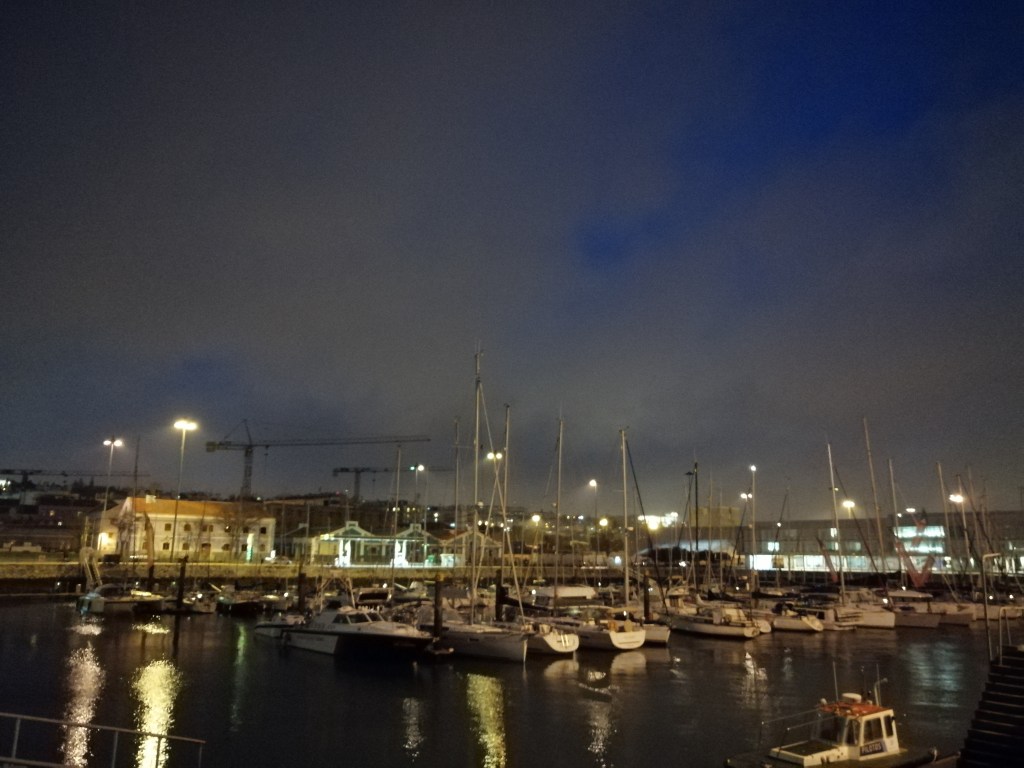
Early this year I visited Lisbon during the times when having a flu was “socially acceptable”. For a fuller view of the places I have seen, I recommend checking my social media album (here).
Day 1
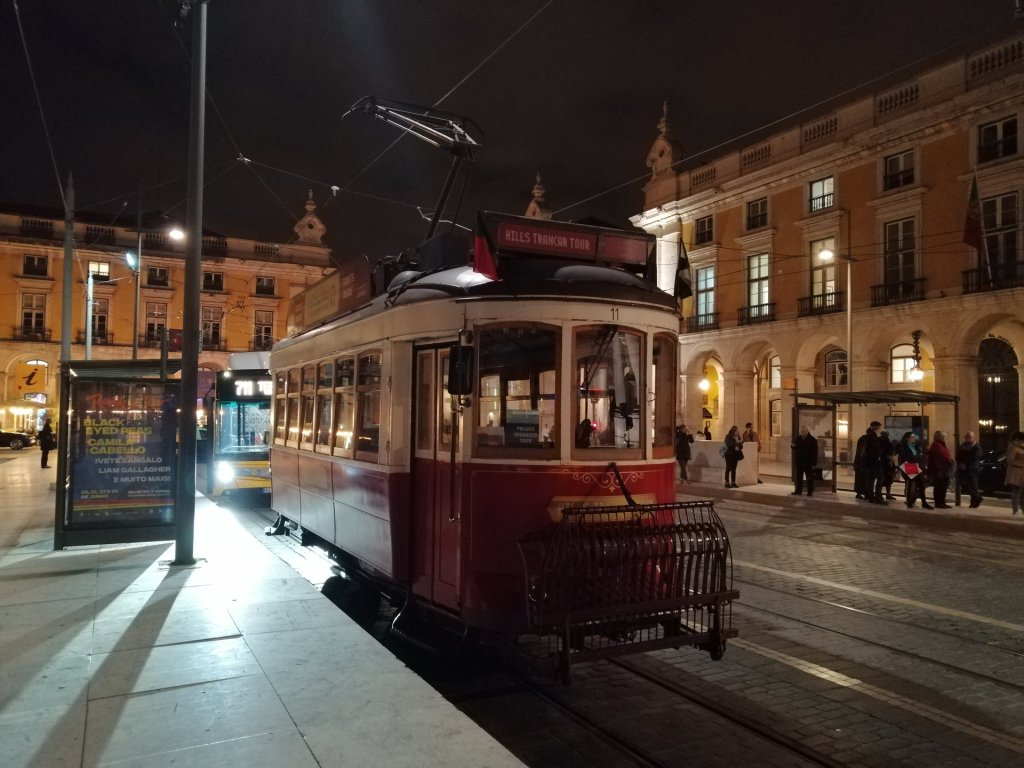
After a pleasant flight from Warsaw, with a stopover in Frankfurt, I arrived to Lisbon in the afternoon. The first thing that struck me was the subway (Metro) system, colorful and artistically designed. Each station has a topic and the floors are made of traditional tiles, giving it an impression of tidiness and elegance. If you happen to visit Lisbon make sure you have a look at several metro stops such as Restauradores, Saldanha or Parque, to name a few. I recommend the following link showing some awesome photos from this “enormous underground art gallery” (here). The four major lines (Linha Azul – blue; Amarela – yellow; Verde – green; Vermelha – red) crisscross the city making the use of a private car totally unnecessary. Since my hotel was located near Restauradores square, I spent the evening in this area. An element of architecture that I really liked was the Rossio railway station, designed in the Neo-Manueline style (Portuguese late Gothic, style originating in the 16th century during the Portuguese Renaissance and Age of Discoveries, here). The Rossio square is linked with Praça do Comércio by an elegant street (Rua Augusta), full of café terraces, shops, restaurants, and souvenir shops. I was particularly impressed by the glazed tiles paving this street, a leitmotif of Portuguese art and a heritage brought by the Moors. If you pay attention, on the right side of Rua Augusta going to Praça do Comércio you will find a science fiction-like tower (Santa Justa Lift) offering a generous view, beautifully lit in the night and giving the impression of a space shift that has just landed on Earth. Rua Augusta connects with Praça do Comércio through the magnificent Arco da Rua Augusta, reminiscent of the times when the brave Portuguese sailors explored the charted and the uncharted waters of the world. Praça do Comércio is the place where the former Imperial Palace stood, before the devastating Great Lisbon earthquake (1755). It is also the place with beautiful vista of the Tagus and its impressive bridges. While contemplating in the dark the incandescent bridges and the sound of the bay, I had the strange feeling somebody is watching me from behind. Perched on the top of a hill, the São Jorge Castle was sleeping with one eye open.
Rossio train stationRossio square by nightSanta Justa LiftTiles on Rua AugustaTramway in Praça do Comércio
Day 2
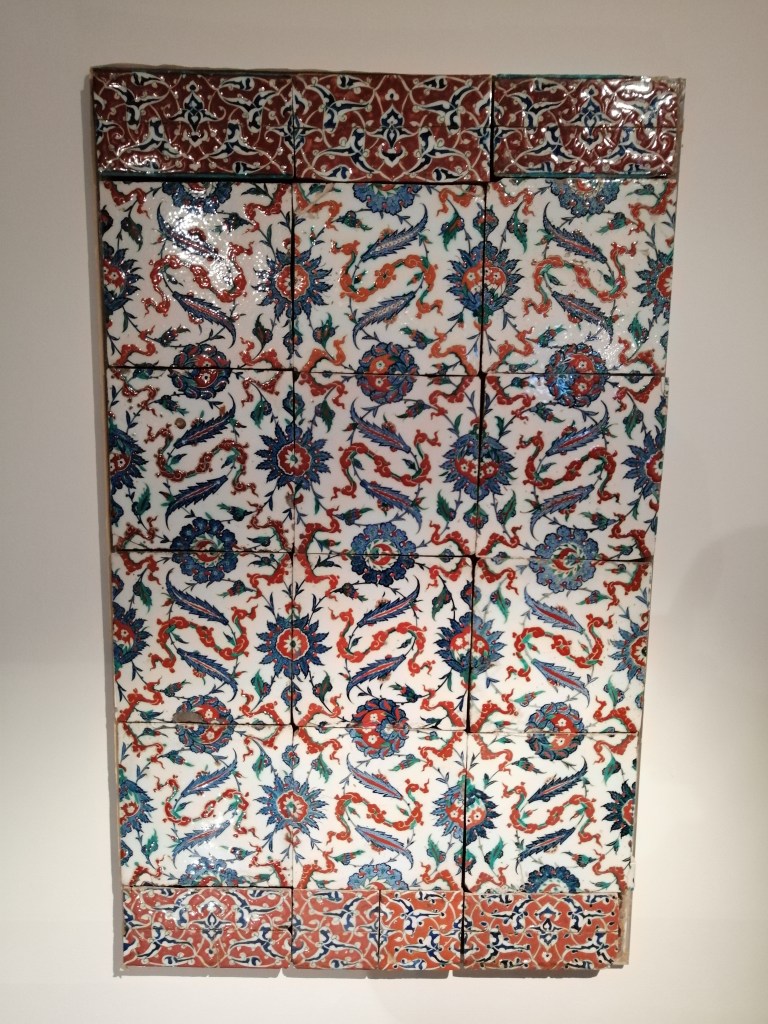
The National Museum of Ancient Art (Museu Nacional de Arte Antiga) exhibits an extensive art collection of paintings, sculptures, ceramics, furniture and goldwork. In addition to its permanent collection, the museum hosts temporary exhibitions. During my visit I came across an exhibition devoted to the Italian Quatrocento (15th century, the first phase of the Renaissance) and Álvaro Pires de Évora, a Portuguese painter that lived and worked in Italy during that time. The quatrocento seemed to be the time when the Mediterranean Sea was the main “highway” of the South of Europe, and the artists could travel and exchange ideas and techniques all over the region. The museum is particular in that it contains exhibits difficult to find in other European museums. Of these, the Nanban panels (“Nanban art refers to Japanese art of the 16th and 17th centuries influenced by the contact with traders and missionaries from Europe and specifically from Portugal”) and beautifully colored azulejos (tiles). Another must see is the St. Vincent panels, a polyptych painted by Nuno Gonçalves, which shows a very detailed radiography of the Portuguese society during the times of Henry the Navigator (first half of the 15th century). The museum has a very pleasant garden where the visitors can serve traditional food and recover their energy for further explorations.
Leaving the museum, I walked through the beautiful streets along the waterfront, lined with old buildings, busting with industrial activity in the past; now hosting many affordable terrace cafés, parks and elegant markets (e.g. Mercado da Ribeira). I spent the rest of the day in Chiado, an elegant neighborhood in the historic center of Lisbon. Here one can find enormous book shops, beautiful buildings clad with tiles azulejos, the Café A Brasileira (the equivalent of Les Deux Magots café in the Saint-Germain-des-Prés area of Paris, the rendezvous of the literary and intellectual élite of the city), shopping centers and friendly people, locals and tourists alike.
SculpturesAzulejoAsian ceramicsNanbam panels
Day 3
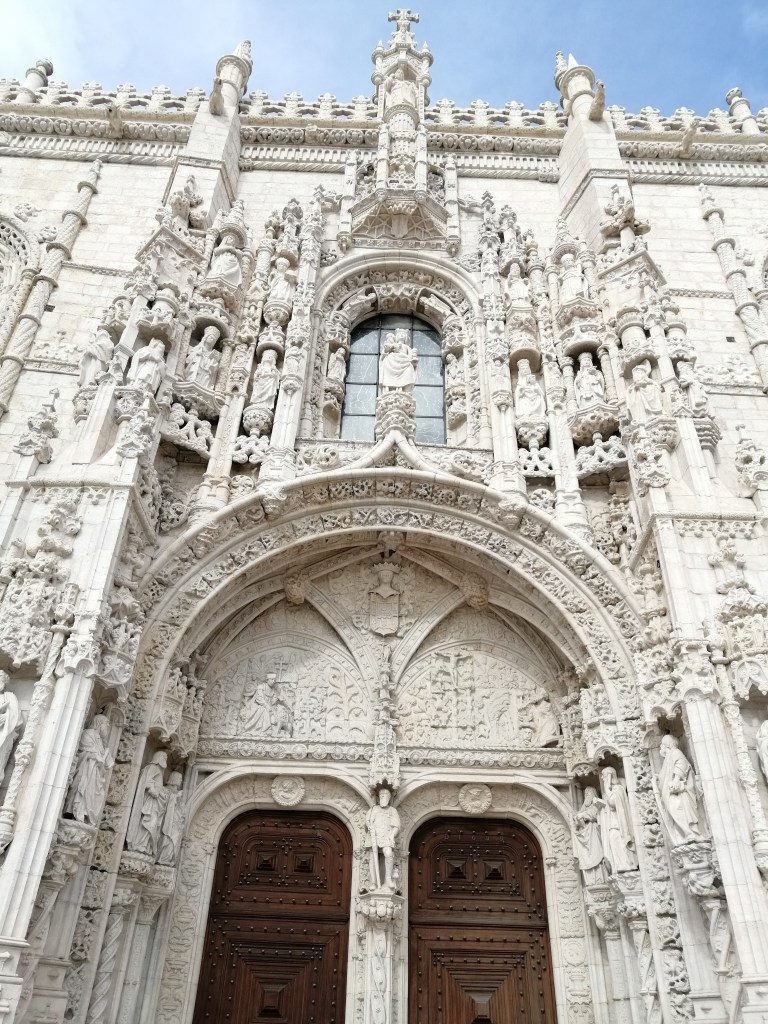
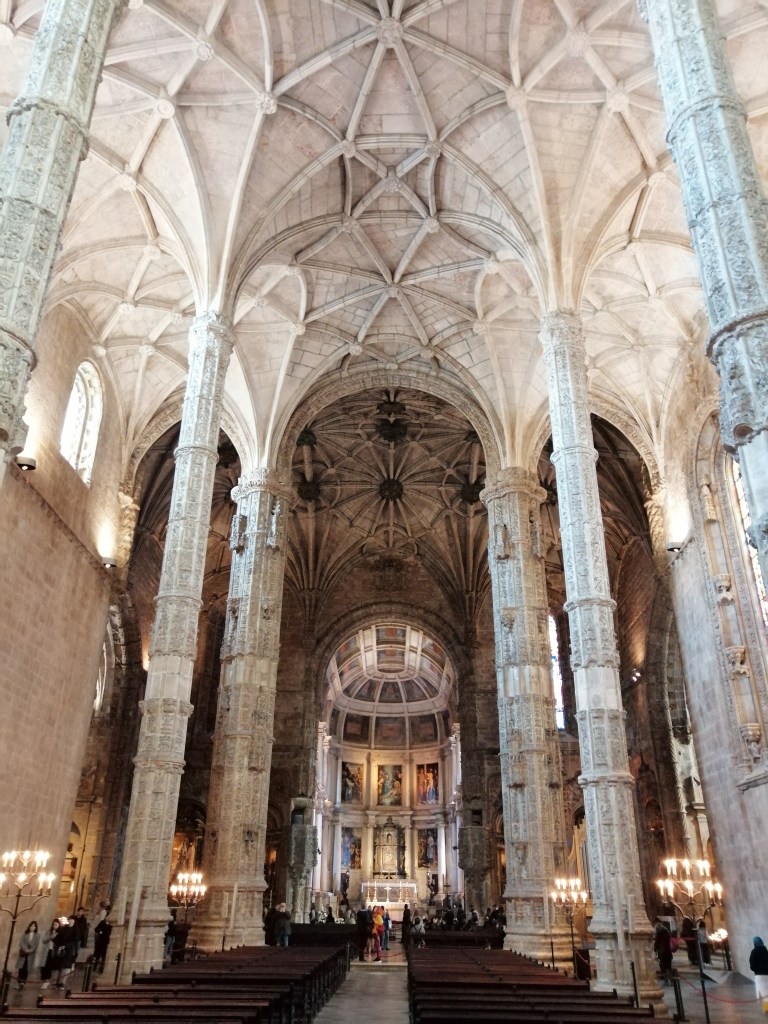
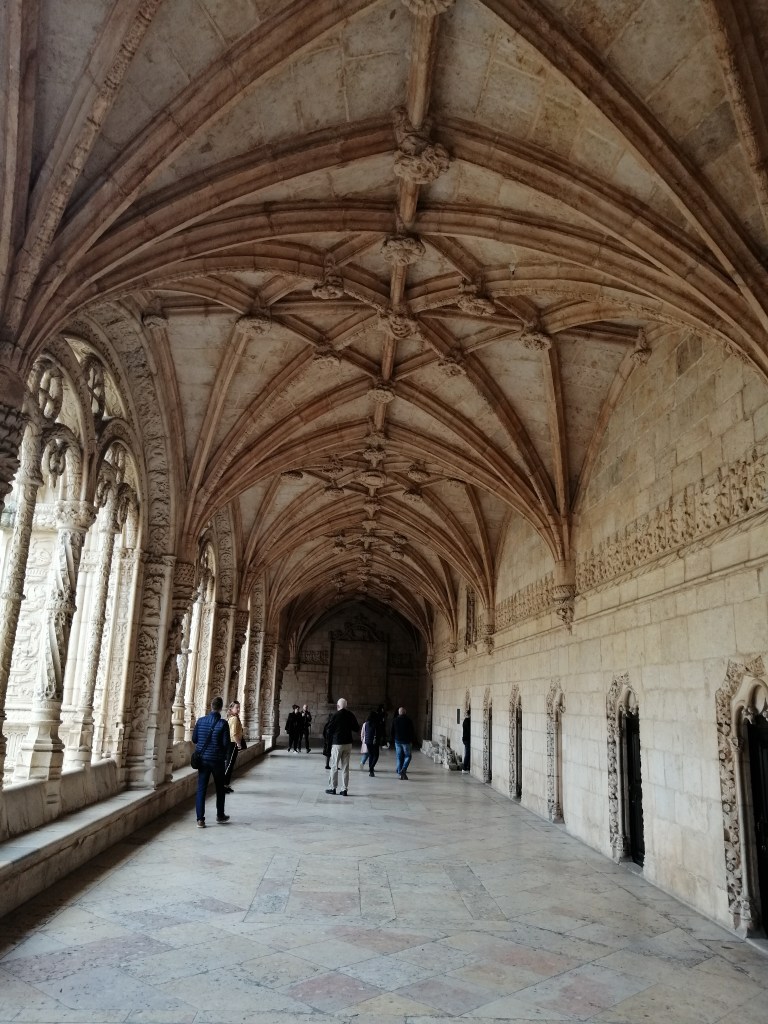
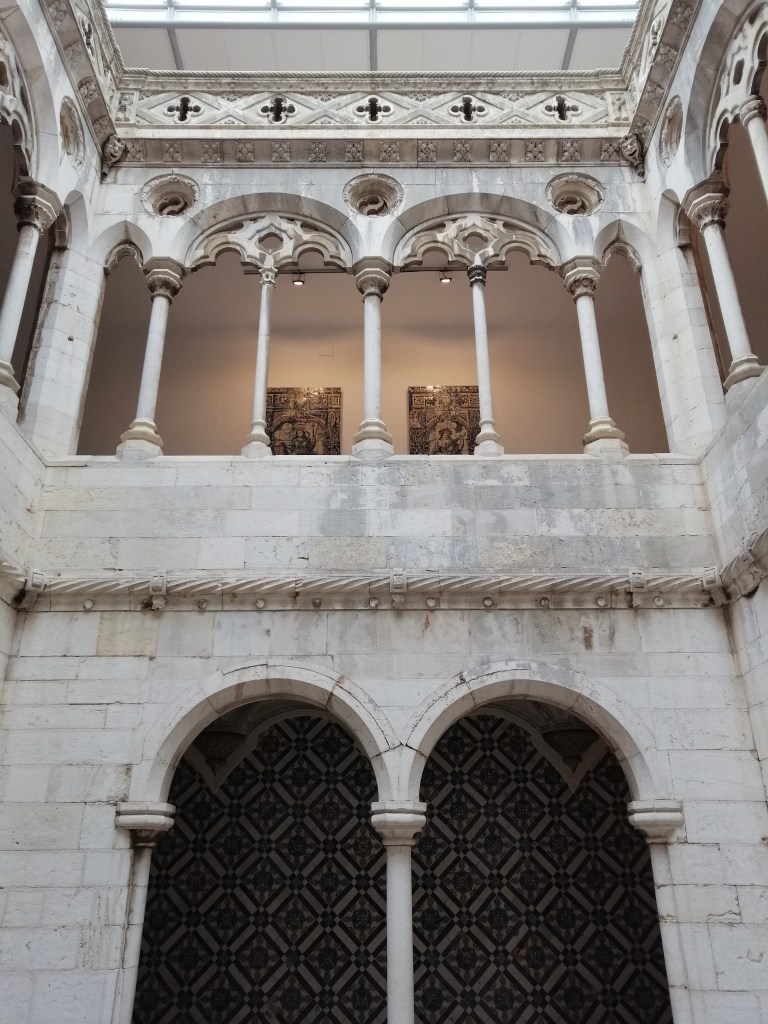
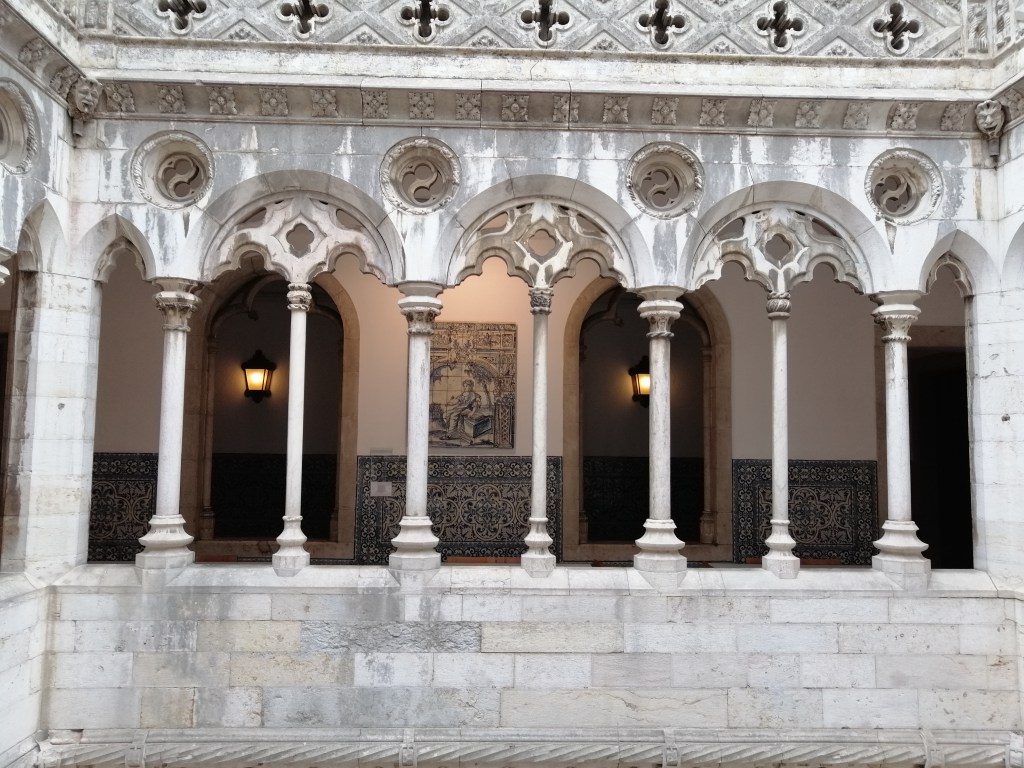
It was a long and rich day in the company of my friend Carlos_Martins, scientist and cultural explorer. Carlos was my guide for the following days and showed me places difficult to find by most tourists, accompanied by information-dense comments about Lisbon, its history and atmosphere. We started the day with a strong coffee in Restauradores, then flocked to Belem district, another picturesque neighborhood of Lisbon. First stop, Pastéis de Belém, famous pastry shop selling freshly-baked pastel de nata and vintage Port wine. The shop also contains some beautiful, old-style azulejos. Full of energy we moved to the Jerónimos Monastery to admire its beauty. The monastery is one of the finest examples of Manueline architecture, a richly ornate style with complex sculptural themes incorporating maritime elements and objects discovered during naval expeditions. The style developed during the reign of King Manuel I (1469-1521), hence its name. While containing some Renaissance elements (e.g. a dome reminiscent of Brunelleschi’s dome in Florence), the monastery is quintessentially Manueline. Make sure not to miss the south and western portals, the richly decorated pillars and ceiling of the main chapel, and the Neo-Manueline tomb of navigator Vasco da Gama (1468-1523) and national poet Luís de Camões (1527-1580). One of the most impressive pieces was the two-storey cloisters, offering a relaxing ambiance and inviting the guests to meditation.
Before lunch we had a glimpse in the tropical garden near the Monastery, then enjoyed an excellent Bacalhau (cod fish) and white wine. We spent the rest of the day exploring the neighborhood, Belém Tower, anther Manueline showcase, depicted on most Lisbon postcards. A monument that impressed me a great deal was the Padrão dos Descobrimentos (Monument to the Discoveries). Erected on the bank of the Tagus, it represents a stylized caravel setting out to sea, with Henry the Navigator in its prow. On the two lateral descending lines there is a plethora of navigators, cartographers, warriors, missionaries, chroniclers, and artists. The monument conveys a striking impression of movement “in stone”, an amazing achievement when working on such materials. The square hosting Padrão dos Descobrimentos contains a beautifully designed atlas of the world.
Jeronimos (south portal)Jeronimos (nave)Jeronimos (cloister)Padrão dos Descobrimentos (credit: here)Belem Tower (credit: Carlos Martins)Tropical gardenOn the waterfront
Day 4
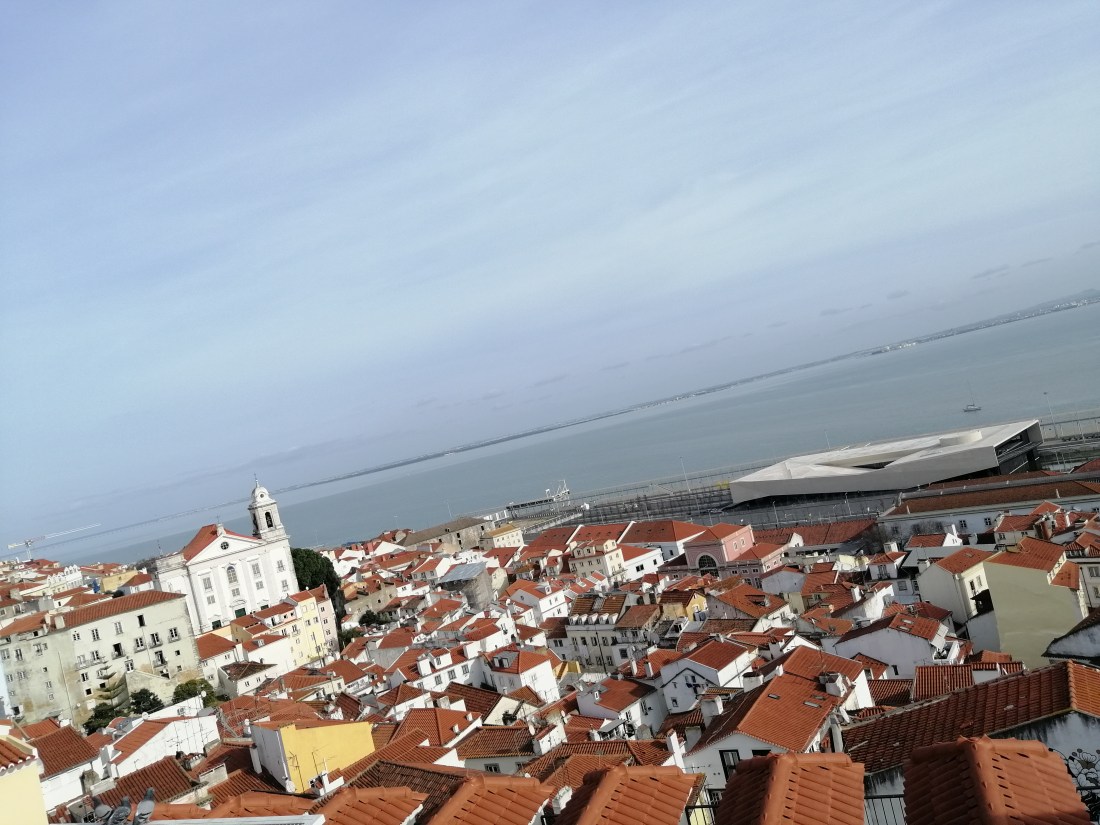
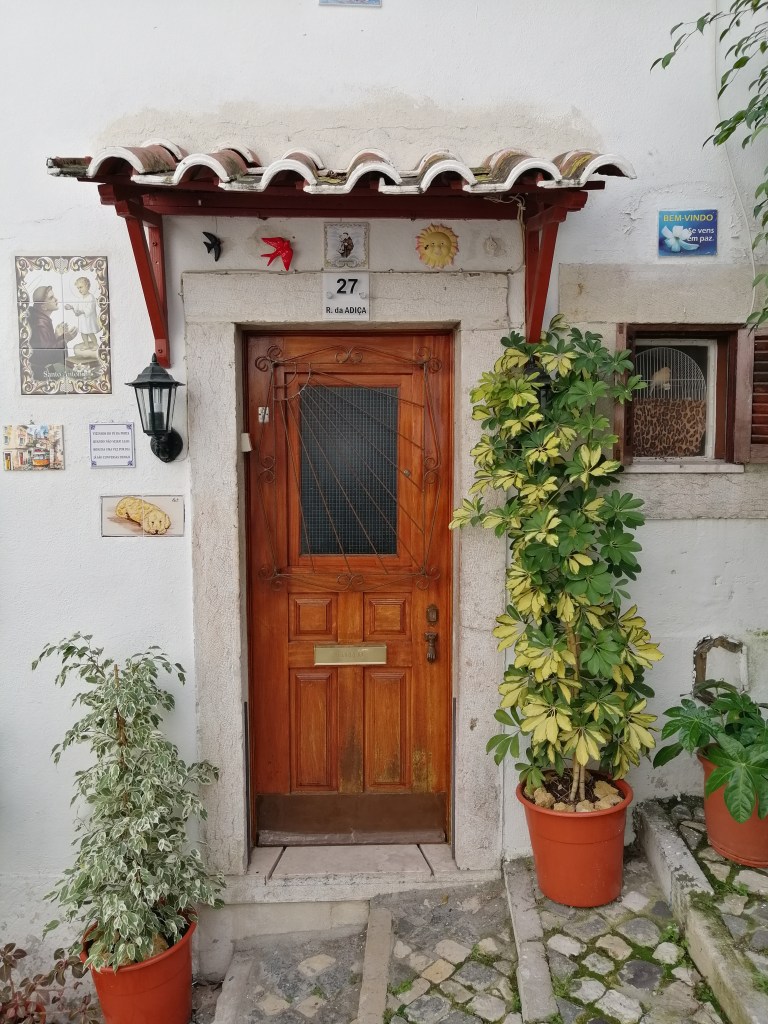
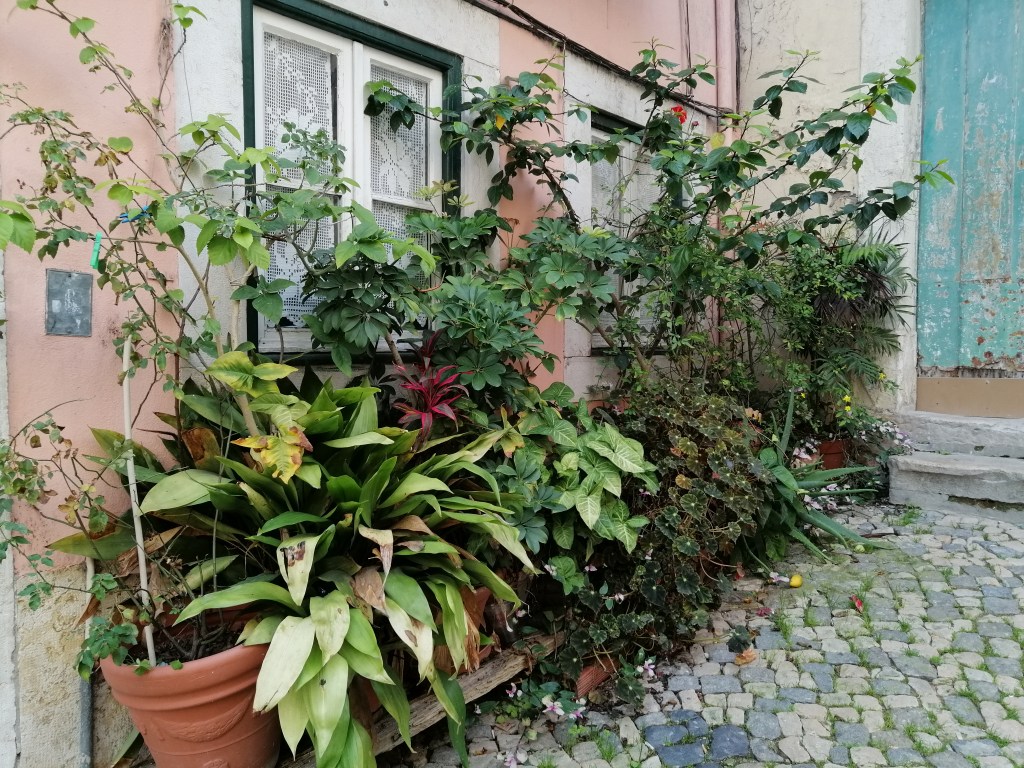
Alfama! One of Lisbon’s oldest areas, the neighborhood developed around to 11th-century São Jorge Castle. Its steep streets can be walked on foot or using the historic no. 28 tram, which winds through its narrow streets. The area is full of nice restaurants and terraces, cobbled streets with citrus trees and small and welcoming public gardens. Alfama was initially a Moorish area, then became inhabited by the fishermen and the poor, and, of course, by artists, an atmosphere that would have probably fascinated Ernest Hemingway. Miradouro da Graça terrace offers breathtaking views over the slopes of the area to the River Tagus. A perfect setting to enjoy a glass of Ginjinha (sour cherry liqueur) and relax contemplating a city sweeping view. Lisbon has several view points (miradors) offering captivating and relaxing panoramas over the city. There is a Fado museum in the neighborhood worth a visit, near the waterfront. The museums has a big Fado discography, books and memorabilia. If you want to fully enjoy the atmosphere and the spirit of the neighborhood make sure to visit it on Saturday!
Narrow street in AlfamaVista from Miradouro da GraçaPortuguese guitarOrange tree in AlfamaVista from Miradouro da Graça
Day 5
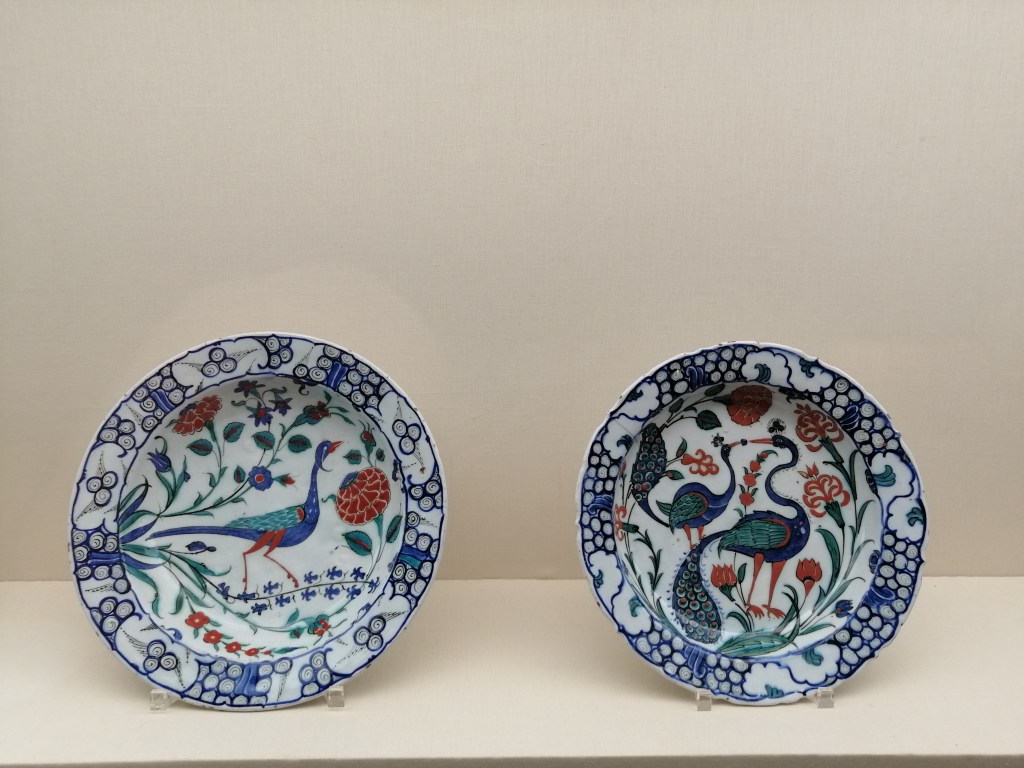
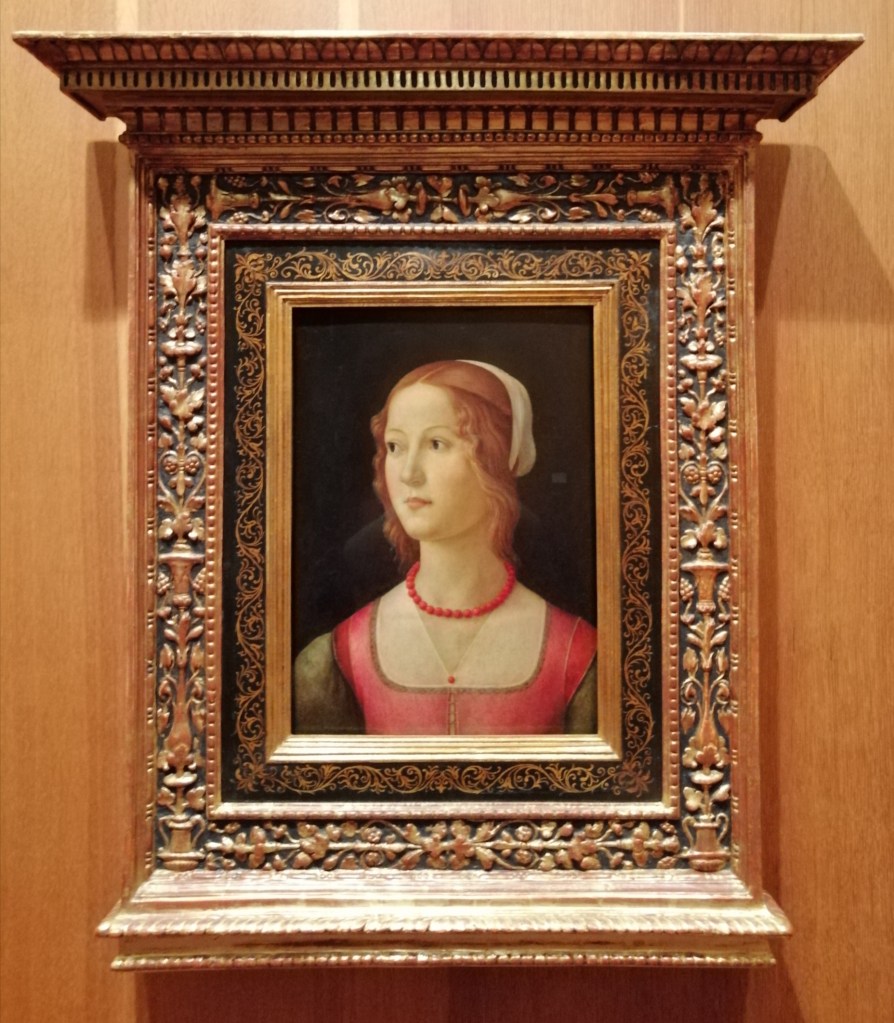
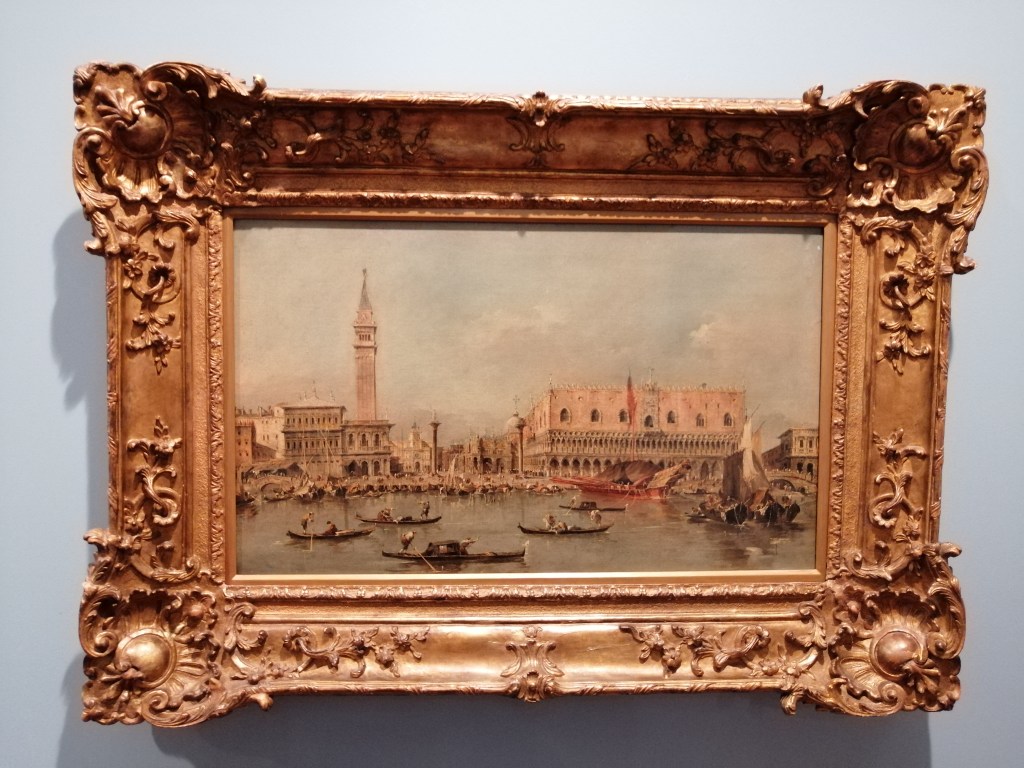
Gulbenkian Museum (here) boasts an amazing and eclectic collection of European and Asian Art. It is very rare when a museum is built to fit a collection. Most of the time, the collection comes to a preexisting building and the two of them co-evolve with time. Calouste Gulbenkian (1869-1955) was a businessman and a philanthropist with a taste for art. After building his collection piece by piece, his foundation built an impressive building to host it in Lisbon. The building is very elegantly integrated in a complex containing a music hall and a beautiful garden. Although modern, the building harmonizes very well with the entire collection. The journey takes you from the Egyptian and Greco-Roman art to Islamic, Persian, Asian and European exhibits. I was particularly impressed by the Asian and Islamic ceramics, an illuminated bible with colorful drawings (in the tradition of the illuminated manuscripts such as the Book of Kells). European art is well represented by Domenico Ghirlandaio, Rembrandt, Carpaccio, Francesco Guardi and many others. There is also an extensive furniture and silverware collection. You can install the museum’s app for free and have access to informative commentaries and images. If you want to go for a guided tour, the museum has excellent guides. I really liked the quality of their English and their extensive knowledge of art. The museum has a cafeteria with excellent food and a view to the garden. I highly recommend this cultural hotspot of Lisbon! The music hall has very elegant and modern architecture with a top class orchestra. I did not have time to attend any musical event, but the music lovers know the prestige of this orchestra.
Greco-Roman artGreek vaseMihrabInner gardenGhirlandaio ~ Portrait of a Young Woman (1450)Guardi ~ Ducale Palace in Venice
Day 6
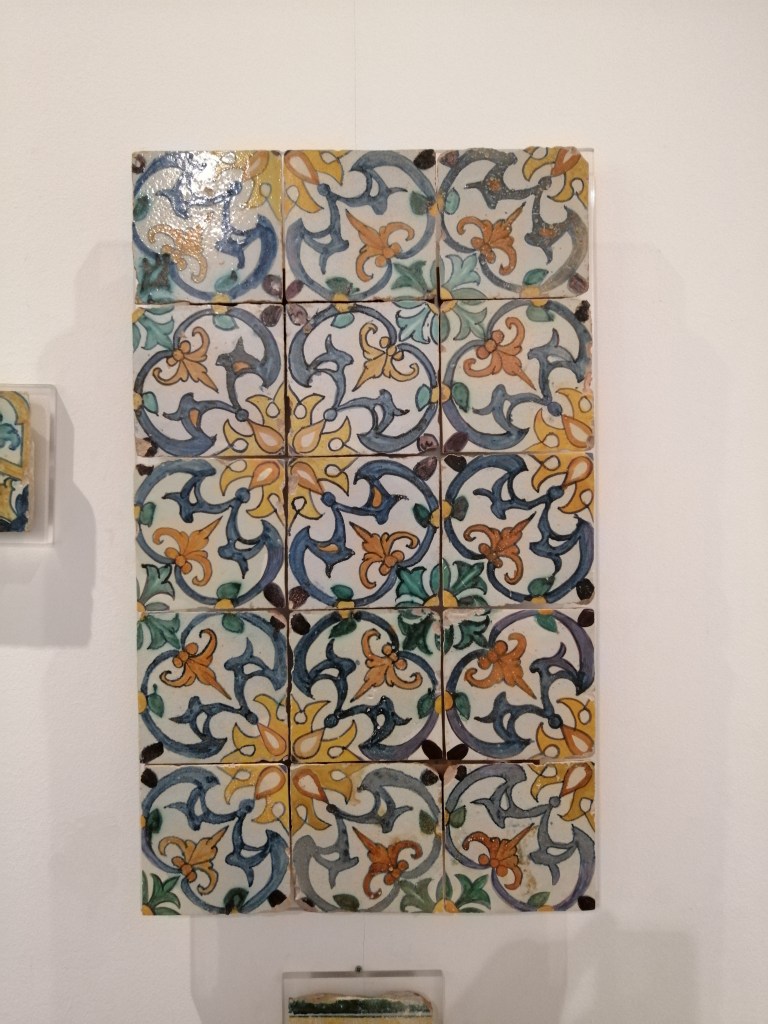
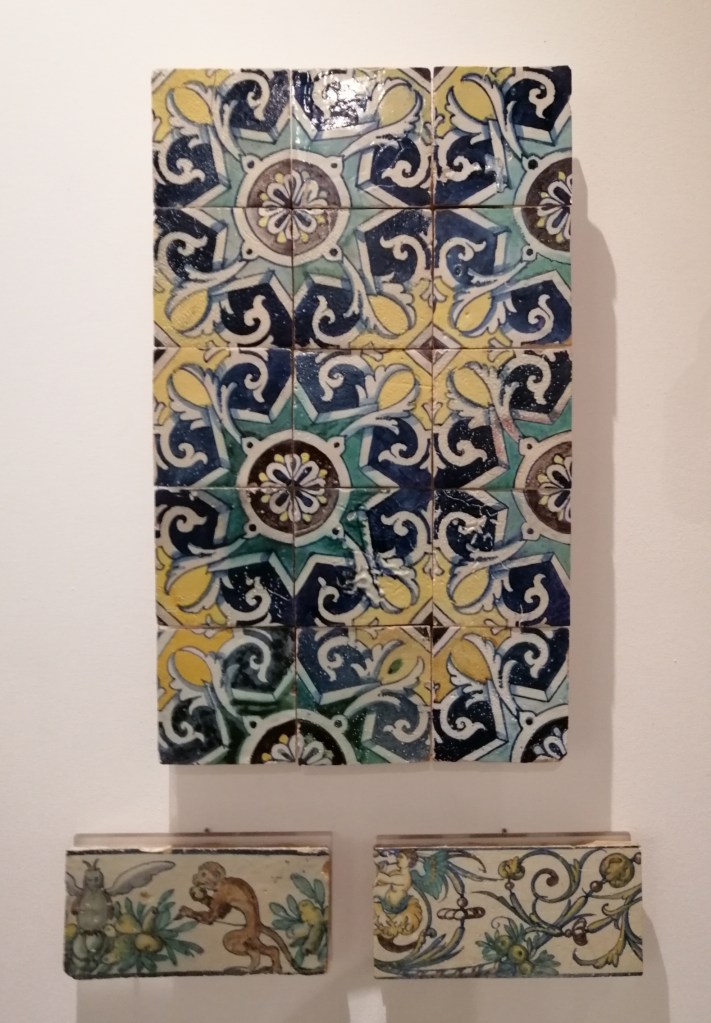
The final day of cultural explorations! National Museum of the Azulejo (here) occupies the former Madre de Deus Convent, and boasts one of the largest collection of ceramics in the world. The azulejos (painted tin-glazed ceramic tilework) were brought to the Iberian Peninsula by the Moors. The first time I came across them was during a trip to Sevilla and Granada. Apart from their beauty, the azulejos are amazing and durable materials used both indoors and outdoors. The museums takes you through the history of this tilework, presenting various stages of their development, matching the passing of time and the mannerism of different epochs. There is also an abundance of information about their making, the materials used, the pigments, and the various technique of preparing them. The museum has a very good app that can be installed for free, and the visitor will have access to many hours of explanations and pictures.
davmde
Overview
Lisbon is really a place to visit and to live
The city has a big cultural offer
People are friendly and most employees in shops, restaurants (even at the outskirts of the city) speak good English
Excellent food and drink at affordable prices for all pockets
Big and well supplied shopping centers
Well connected and pleasant airport and very good public transport
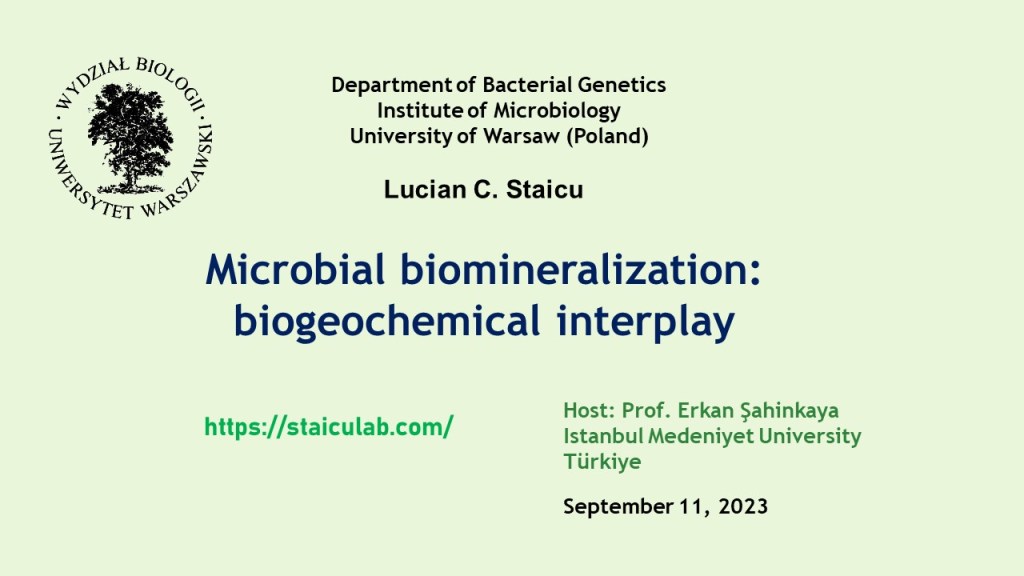
On September 11, Dr Staicu will deliver a talk on “Microbial biomineralization: biogeochemical interplay” at Istanbul Medeniyet University (Türkiye) at the invitation of Prof. Erkan Şahinkaya (here).
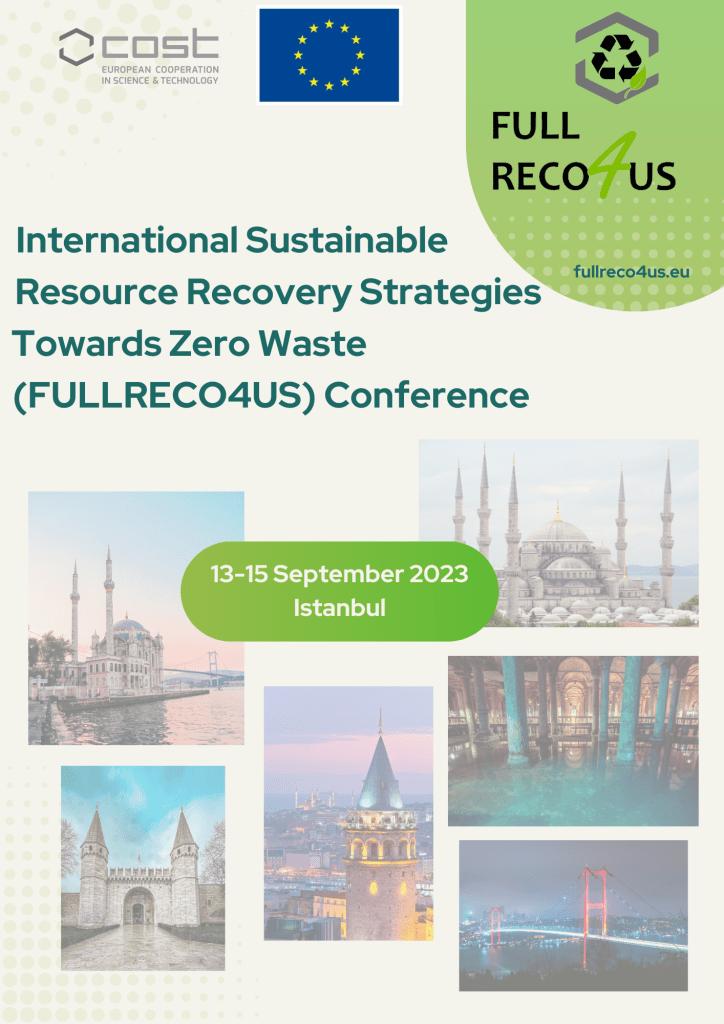
The mission will continue with the participation at the FULLRECO4US Conference 2023 (13-15 September) with a contribution on “Microbial-driven bioremediation and resource recovery of industrial selenium pollution” (here). The conference is organized by COST Action CA20133 “Cross border transfer and development of sustainable resource recovery strategies towards zero waste (FULLRECO4US)” (here).


































 Geomicrobiology